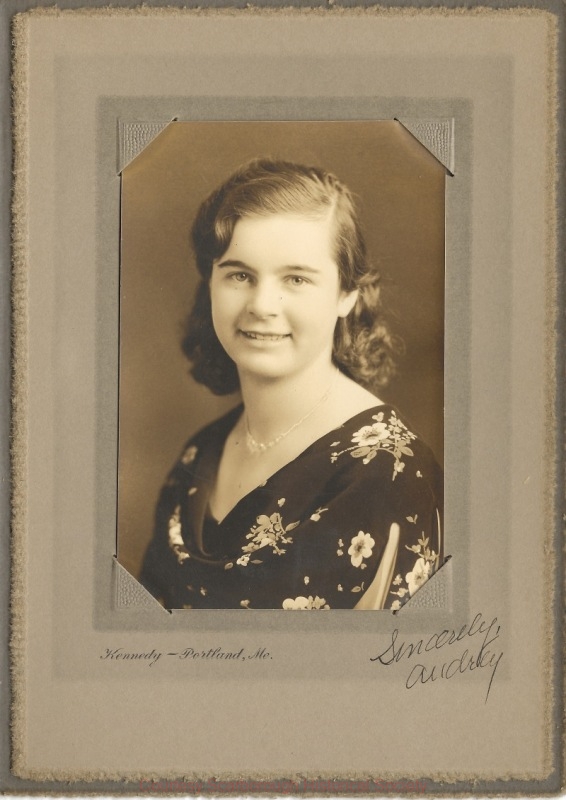
 Audrey Kathleen Turner - SHS Class 1932
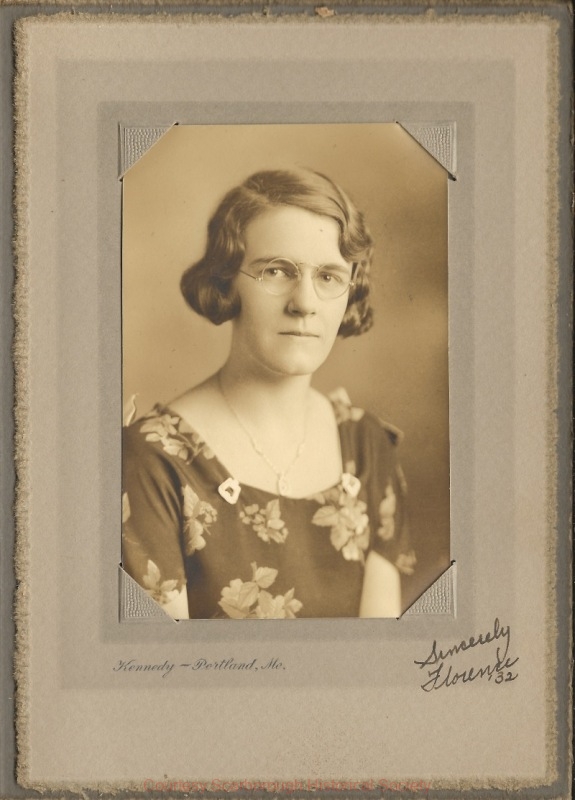 Florence Sanford - SHS Class '32 - 2023.02.04r
Audrey Kathleen Turner - SHS Class 1932
Florence Sanford - SHS Class '32 - 2023.02.04r
Florence Sanford - SHS Class '32 - 2023.02.04r
Audrey Kathleen Turner - SHS Class 1932
Florence Sanford - SHS Class '32 - 2023.02.04r
A document providing the location of the line between Scarborough and cape Elizabeth.
TRANSCRIPTION:
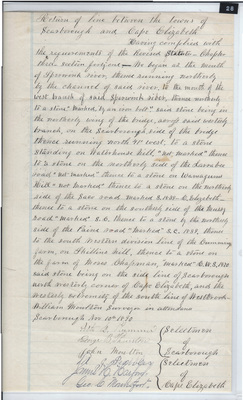
Return of lines between the towns of Scarborough and Cape Elizabeth.
Having complied with the requirements of the revised statutes – Chapter three – Section forty-one, we begin at the mouth of Spurwink River, thence northerly to a stone “marked by an iron bolt.” Said stone being in the northerly wing of the bridge [???] said westerly branch on the Scarborough side of the bridge thence running north 41° West, to a stone standing on Waterhouse Hill “not marked” thence to a stone on the Northerly side of the Larrabee road, “not marked” then to a stone on Wornagans Hill “not marked” thence to a stone on the northerly side of the Saco Roads marked S.1839-C. Elizabeth, then to a stone on the southerly side of the Mussy Road “marked” S, thence to a stone by the northerly side of the Paine road marked “S.C, 1839 thence to the southwestern division line of the cummings farm on Skillins Hill, thence to a stone on the form of Moses Chapmen, “marked” C.W.S. 1870 said stone being on the sideline of Scarborough north westerly corner of Cape Elizabeth, and the westerly extremity of the south line of Westbrook.
William Moulton surveyor in attendance
Scarborough Nov 10th, 1890
L. Plummer } Selectmen
George B Thurston} of
John Moulton } Scarborough
M.J. Peebbles } Selectmen
James H Hartford } of
Geo. [?] Mountfort } Cape Elizabeth
Recorded in Book 1 of Roads and Town Lines Page 30
Return of the line between the Towns of Scarborough and Cape Elizabeth.
Scarborough Historical Society Encapsulated Collection #28.
Transcription by Betty McKown, Scarborough Historical Society.
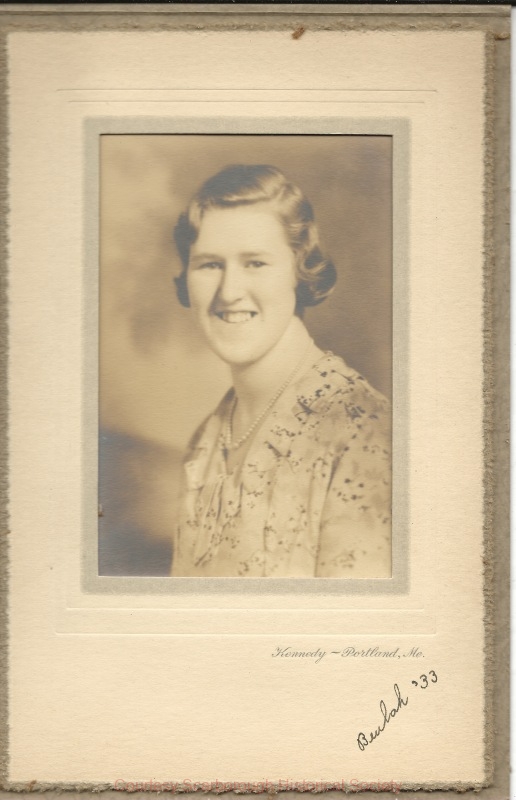 Beulah A Moulton - SHS Class 1933
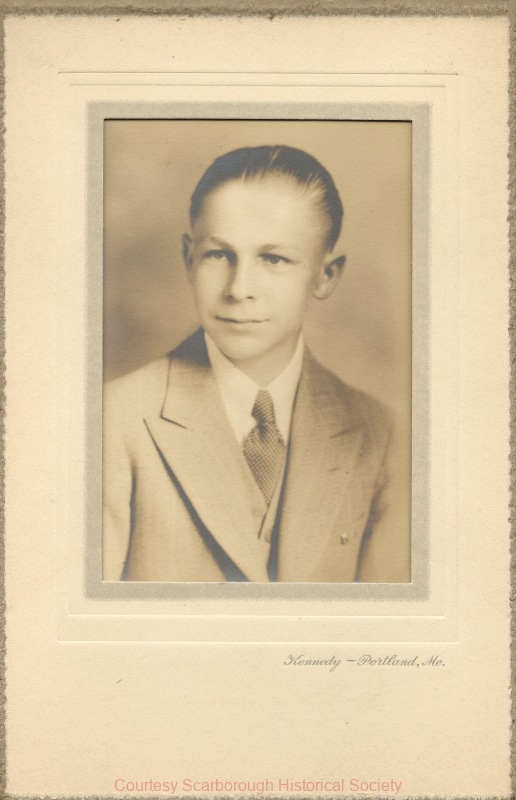 Dexter M Peacock - SHS Class '33 - 2023.02.04o
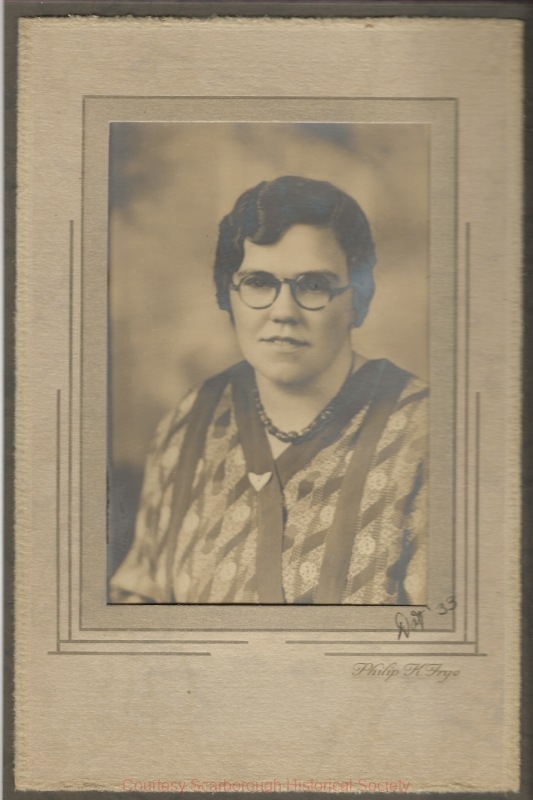 Doris M Prout - SHS Class '33 - 2023.02.04u
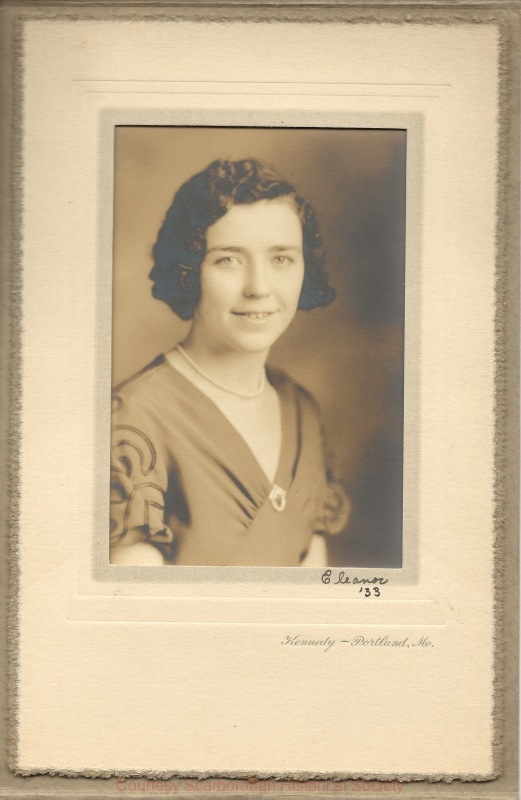 Eleanor L Stanford - SHS Class 1933
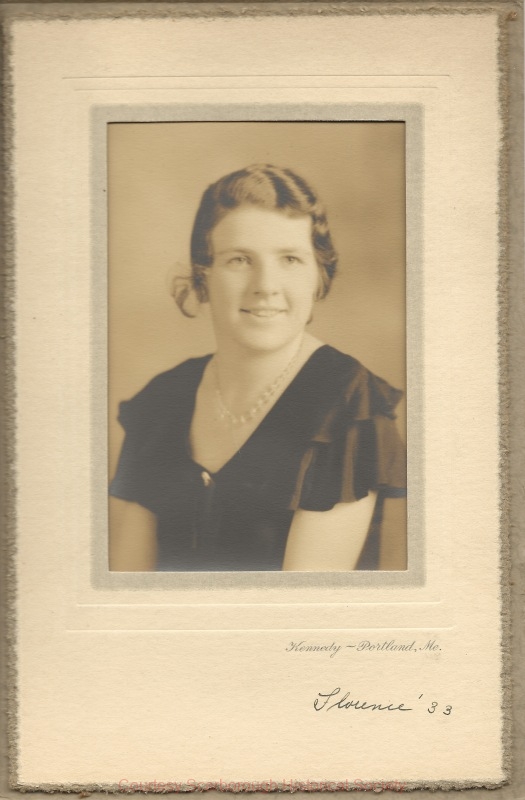 Florence M Ray - SHS Class 1933
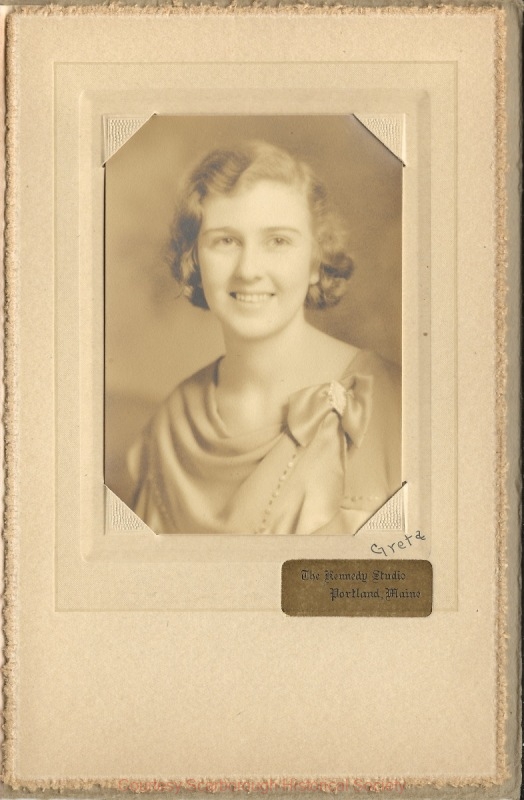 Greta Moulton - SHS Class '33 - C2023.02.04l
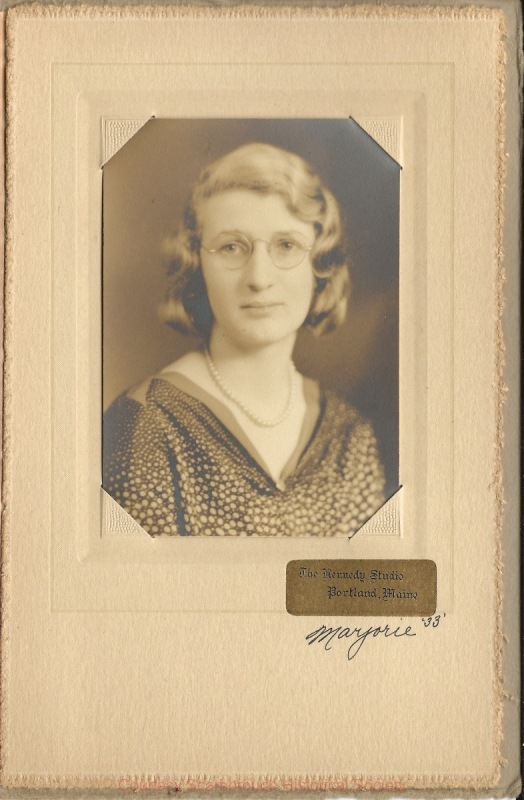 Marjorie L Douglas - SHS Class '33 - 2023.02.04n
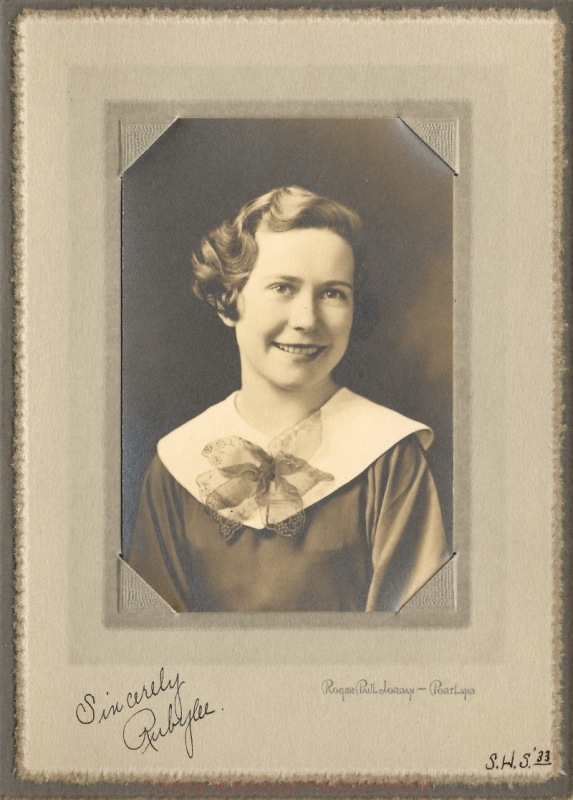 Rubylee M Mottram - SHS Class 1933
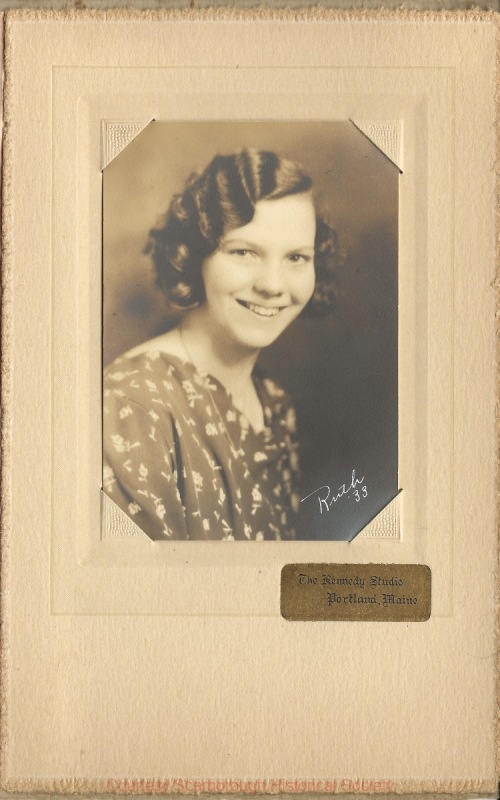 Ruth E Moulton - SHS Class 1933
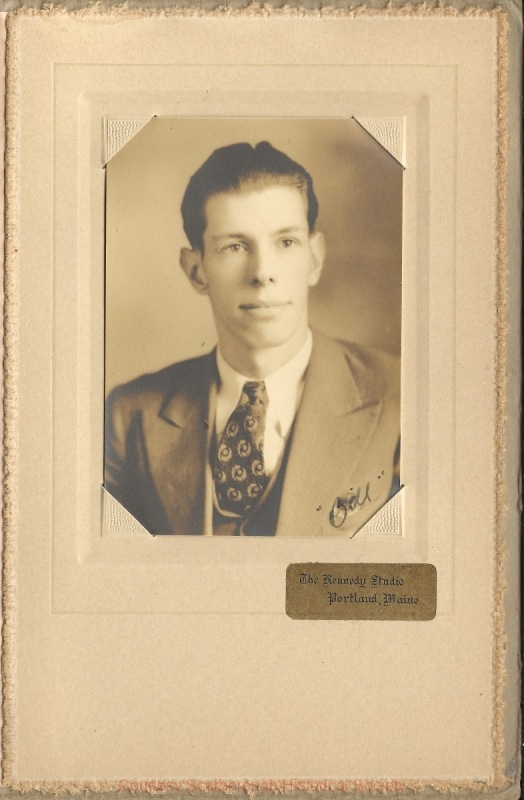 William Schultz - SHS Class '33
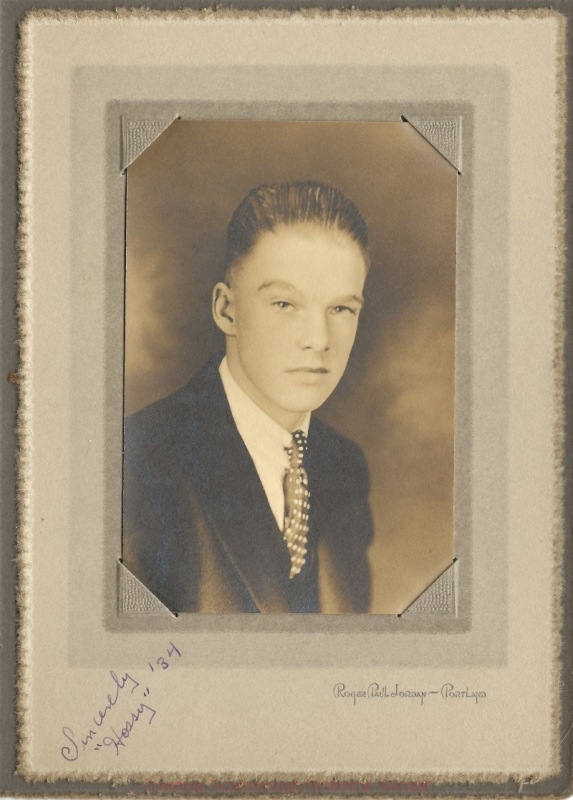 Merton E Rawson - SHS Class 1934
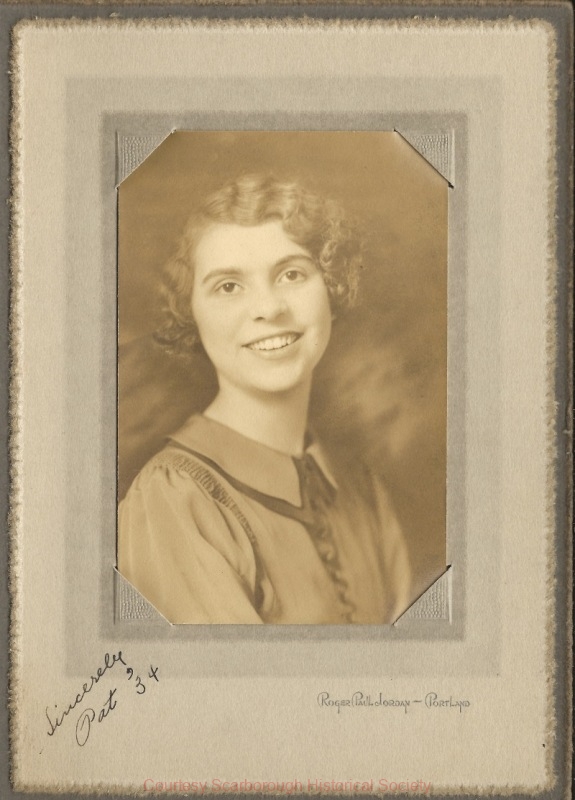 Patricia E Newcomb - SHS Class '34 - 2023.02.04s
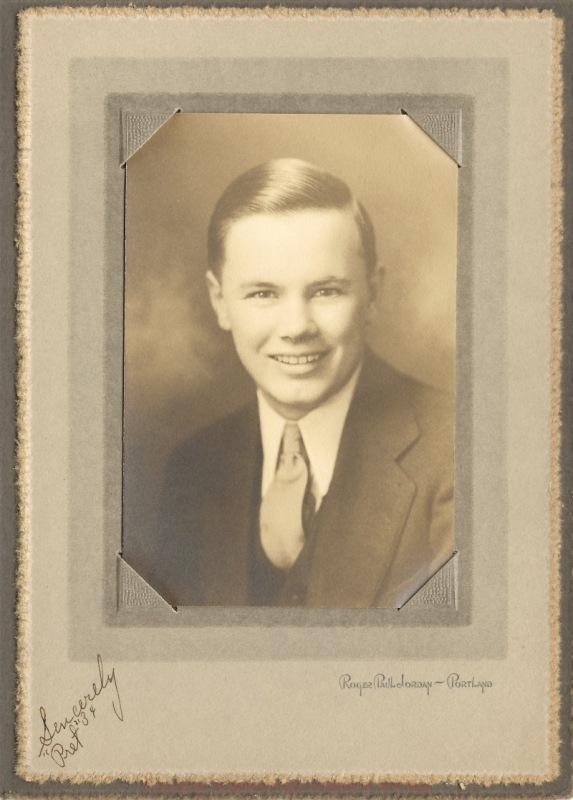 Preston D Plummer - SHS Class 1934
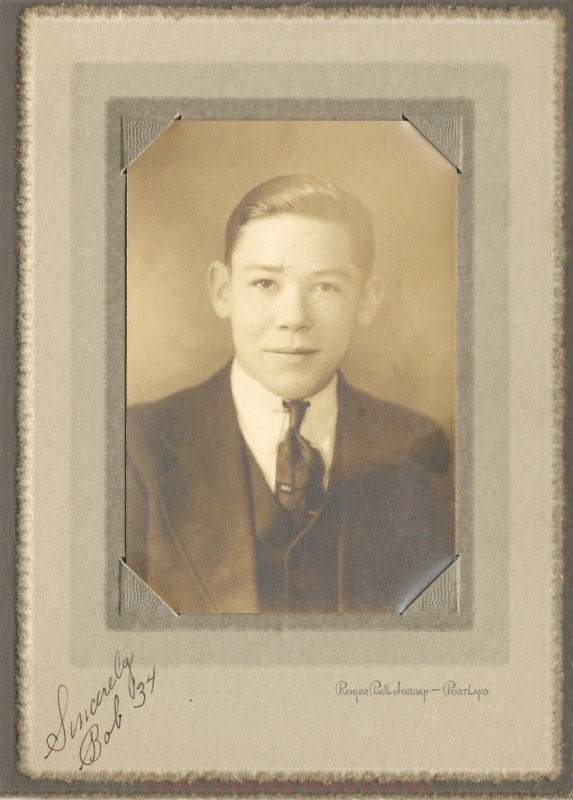 Robert "Bobbie" L Jensen - SHS Class 1934
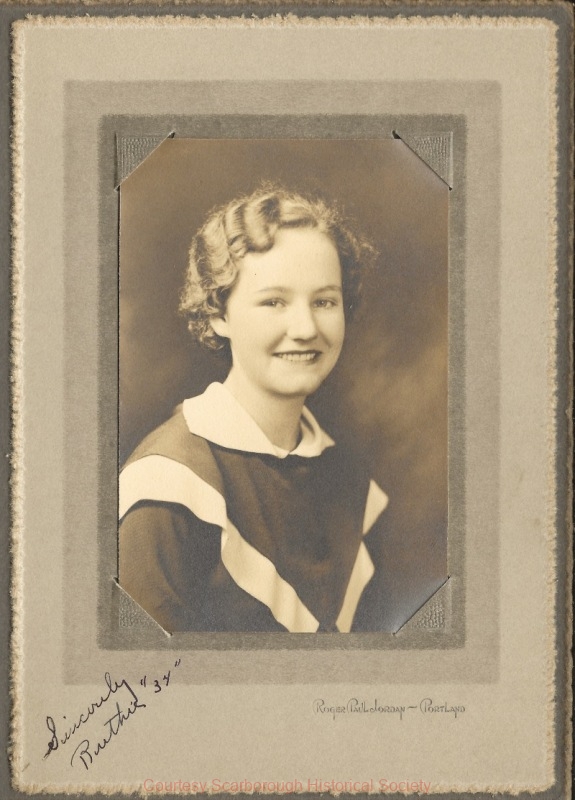 Ruth "Ruthie" Jordan - SHS Class 1934
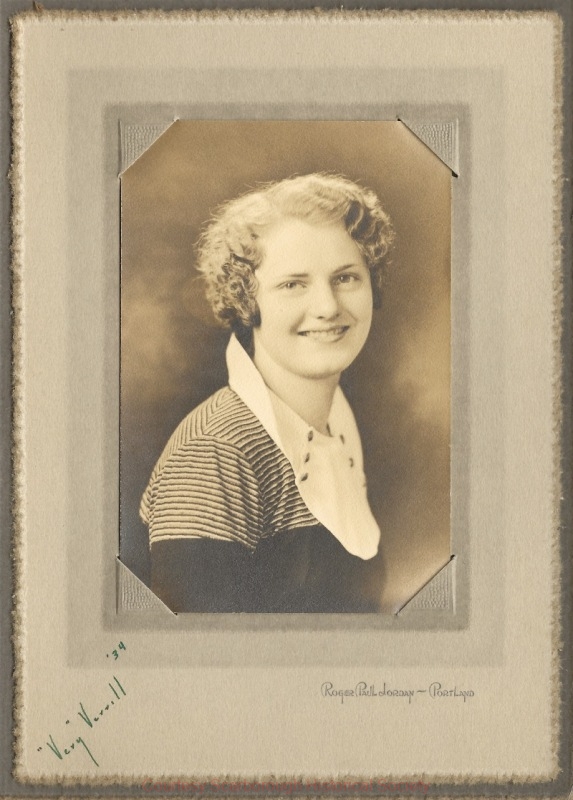 Ruth "Very" Verrill - SHS Class 1934
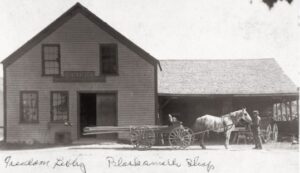
As in all towns in Maine before the advent of automobiles, local blacksmiths played a vital role in Scarborough. Not only did they shoe horses and oxen, but the smiths made and repaired metal tools such as hoes, plows, and wheels for wagons, along with kitchen equipment for housewives. You could count on blacksmith shops to have a coal-fired forge with large bellows to fan the flames when needed, an anvil and a vise. Another important fixture was a sling. The blacksmith could hold up a horse’s leg when nailing a horseshoe into place, but a sling was needed to carry the heavier weight of oxen.
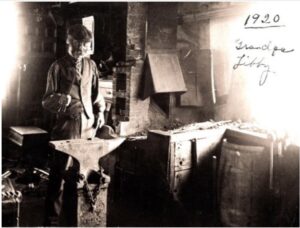
From the SHS collections come these images of the blacksmith shop of Freedom Libby (1844-1928), whose shop on the State Road was a busy place. Freedom and his wife sadly lost 2 of their 3 children, and their only surviving daughter, Ruth Libby, was a teacher in the Dunstan, North Scarborough, and Libby district schools.
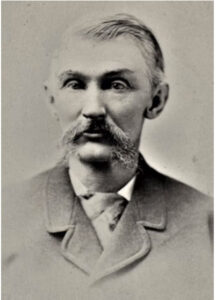
Another early blacksmith was Ai P. Seavey (1816-1889). His blacksmith shop was on the Seavey family farm, located on the Black Point Road just before the state park, which later became the Lindholm farm and nursery. A sign Ai P. Seavey had in his shop announcing the cost of shoeing one horse encouraged prompt payment: Trust—$1.00 Cash—$.75
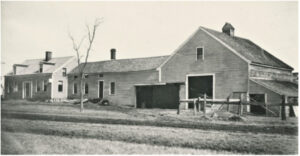
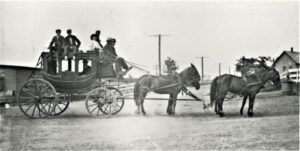
Ai P. Seavey’s son, Harris Seavey, was a renowned carriage driver who operated a stagecoach that brought passengers from the Black Point railroad station to the summer lodging places at Prouts Neck. Harris Seavey was reputed to be a whip expert who could flick a fly from the lead horse’s ear. In later years, Seavey’s coach was shipped to New York to be used in the Broadway theater production of Rebecca of Sunny Brook Farm.