By Don Taylor
Scarborough, Maine, located along the southern coast of Cumberland County about seven miles south of Portland, is one of the earliest English settlements in the region. With a landscape shaped by rivers, marshes, and a long stretch of coastline along Saco Bay, Scarborough’s history reflects the interaction of Native peoples, early European settlers, maritime commerce, agriculture, and modern suburban growth.
Indigenous Land: Owascoag

Long before European settlement, the area now known as Scarborough was inhabited by Native peoples of the Sokokis or related Abenaki groups. They called the region Owascoag, meaning “land of much grass,” a reference to the extensive tidal marshes that dominate the landscape. These marshes provided fish, shellfish, and wildlife, which formed an important food source and trading commodity. Archaeological evidence such as shell middens and remnants of fish weirs along the marsh rivers testify to this early presence.
Early European Settlement
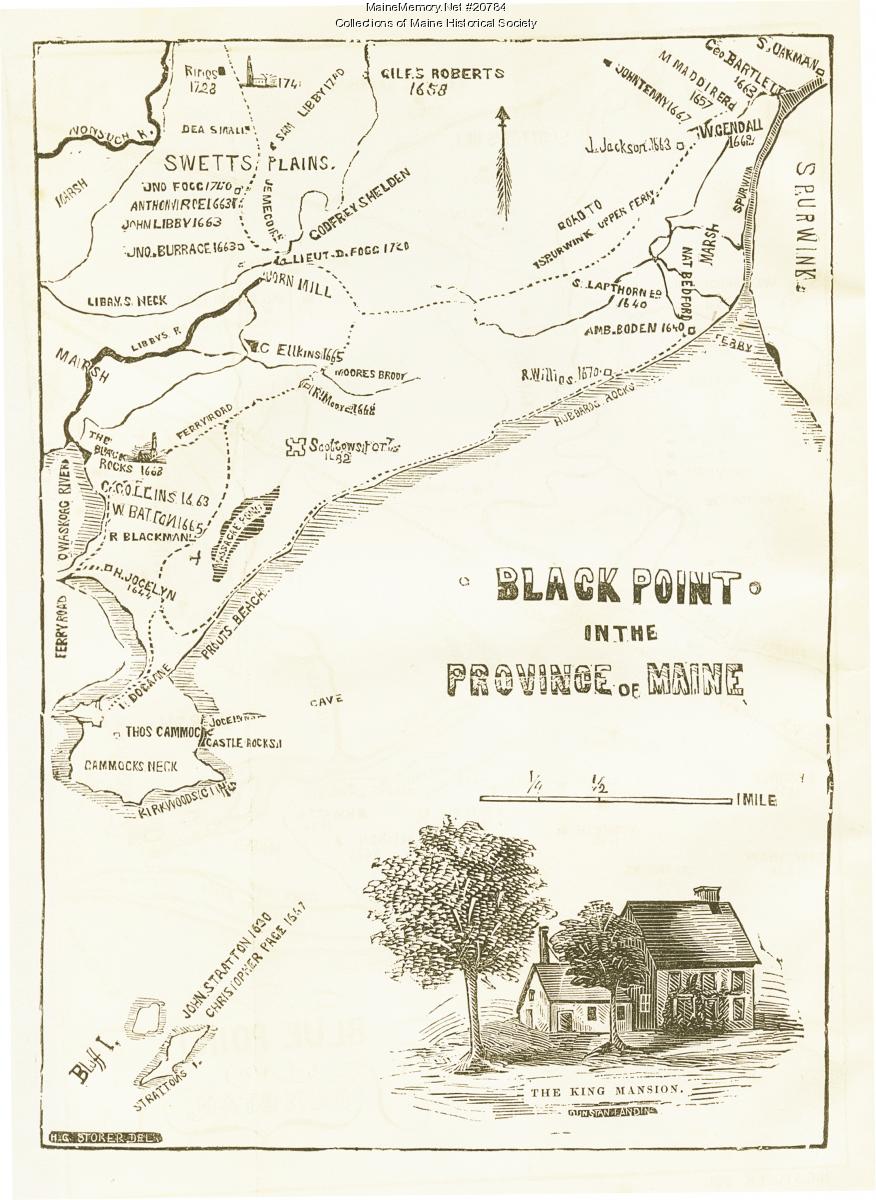
The first known European activity in the area occurred around 1630, when John Stratton established a trading and fishing station on islands off the coast of present-day Scarborough. These islands were soon known as Stratton’s Plantation. In 1631, Captain Thomas Cammock received the “Black Point Patent” from the Plymouth Council for New England, granting him a large tract of land stretching from the Spurwink River to Black Point (now Prouts Neck). Cammock settled there around 1635, beginning what would become a permanent English presence in the area.
Additional settlements soon developed at Black Point, Blue Point (Pine Point), Dunstan, and Stratton Island, supported by fishing, farming, and trade. By about 1650, the community had grown to approximately fifty homes. Recognizing its importance, the Massachusetts General Court formally incorporated the town of Scarborough on July 14, 1658, naming it after Scarborough in Yorkshire, England.
Conflict and Abandonment

Life on the Maine frontier was precarious. During King Philip’s War (1675–1678), Scarborough became a focal point of conflict between English settlers and Native forces. The settlement suffered devastating attacks in 1676, leaving the town largely destroyed. In a notable engagement known as the Battle of Moore’s Brook in 1677, a Massachusetts militia force was ambushed near Black Point, resulting in heavy casualties.
Although the town attempted to rebuild and constructed a large fort at Black Point in 1681, continuing conflicts during later colonial wars forced the settlers to abandon the town in 1690 and seek safety in Portsmouth and Boston.
Resettlement and Growth
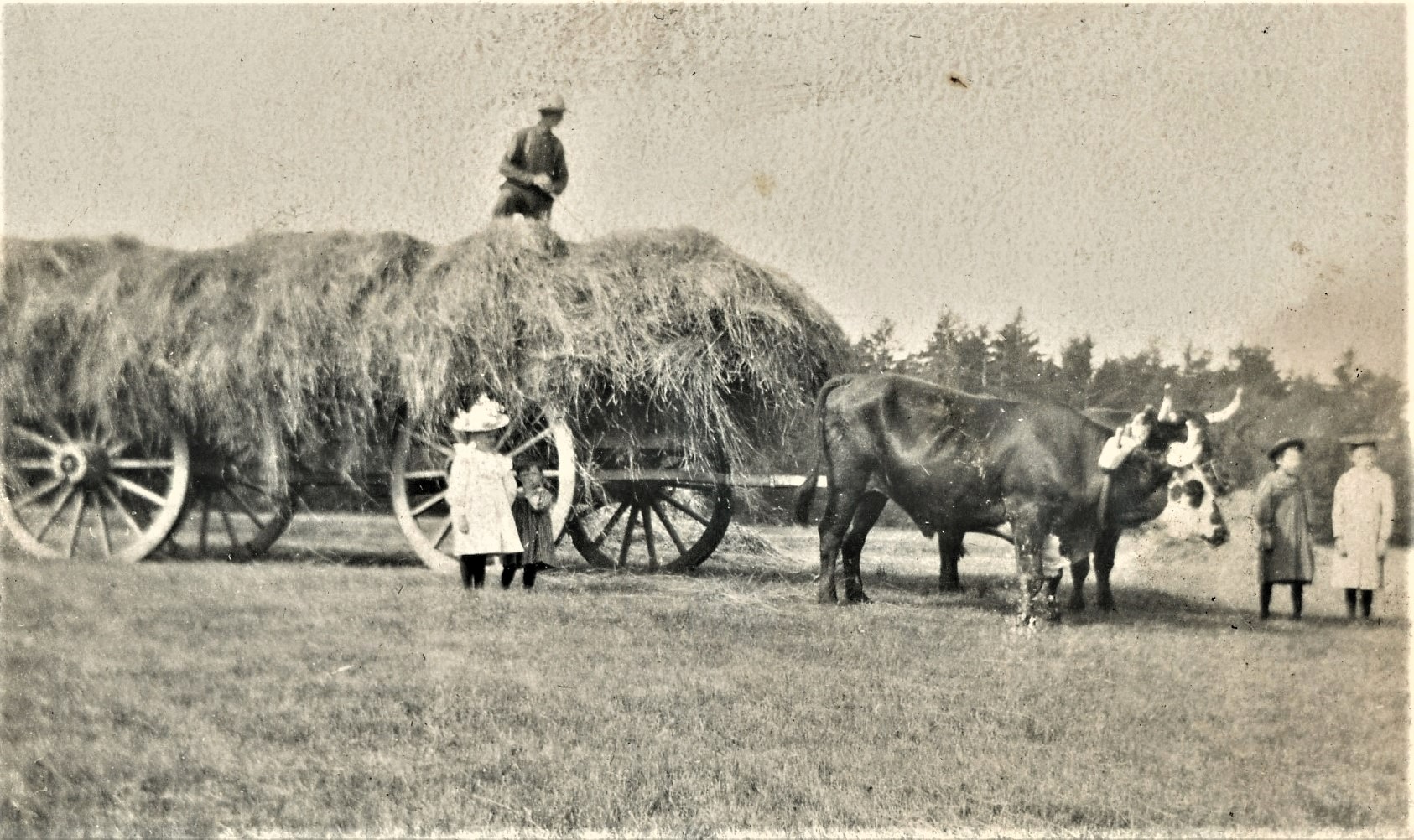
Scarborough was resettled beginning in 1702, when new settlers from Massachusetts established homes and built another defensive fort at Prouts Neck. Over the next several decades, the community gradually stabilized and expanded. By the mid-18th century, Scarborough was again a prosperous settlement, exporting timber, cattle, and agricultural products, and operating numerous water-powered sawmills along its rivers.
During the 18th and 19th centuries, farming became the dominant economic activity. The town’s fertile soils supported crops and livestock, while the coastline and rivers provided fishing and small-scale maritime commerce. Dunstan Landing briefly served as a small port and shipbuilding location, though Scarborough never developed the extensive shipbuilding industry seen in nearby coastal towns.
Geography and Natural Landscape
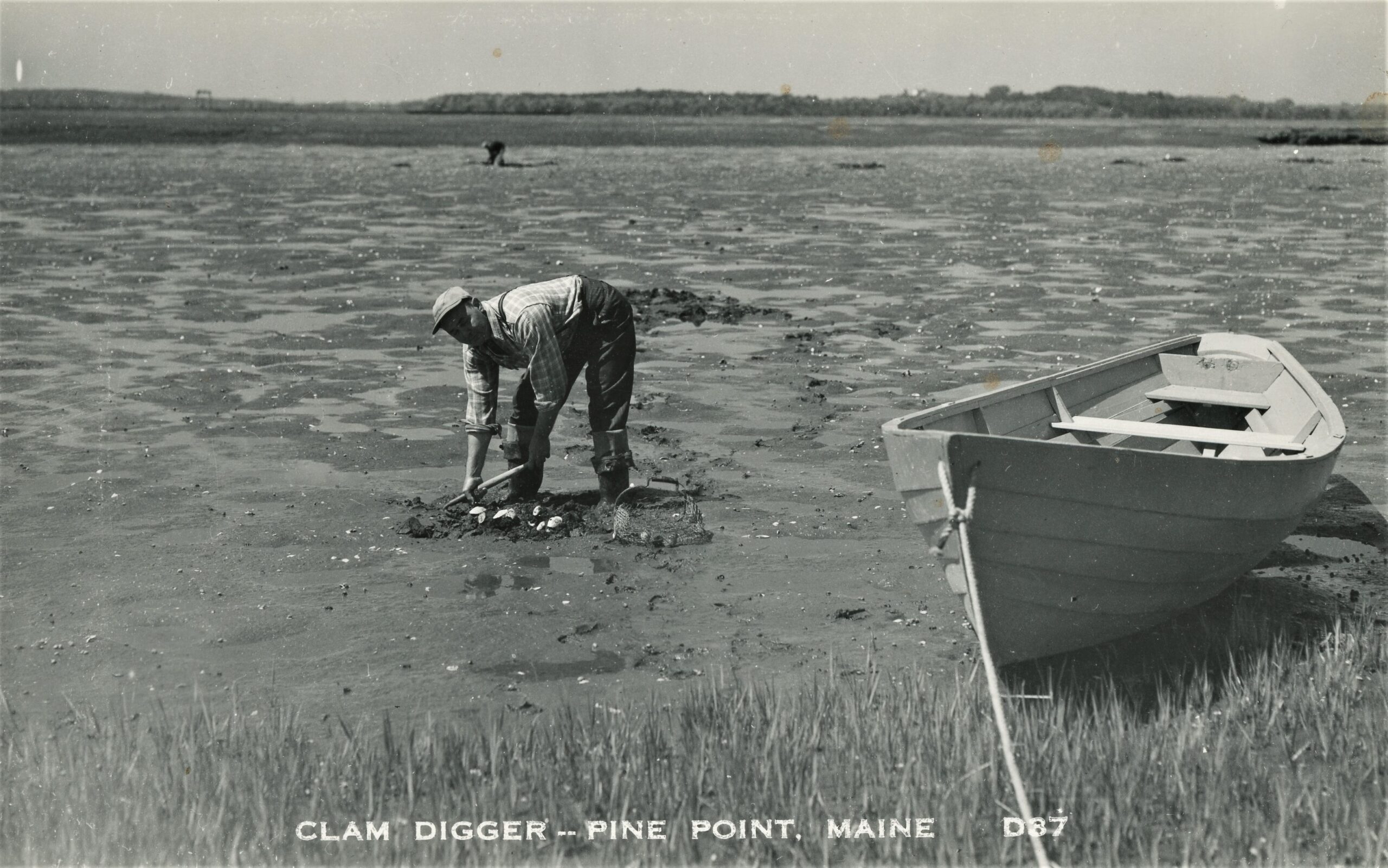
Scarborough’s geography has always shaped its history. The town encompasses roughly 50 square miles and includes thirteen historic neighborhoods such as Black Point, Blue Point, Dunstan, Pine Point, Higgins Beach, and Pleasant Hill. The town’s rivers—including the Spurwink, Nonesuch, and Dunstan—feed into the Scarborough Marsh, the largest continuous tidal marsh in Maine.
These wetlands historically supported fishing, agriculture, and wildlife, and today they remain an important ecological and conservation area.
Twentieth Century Development
During the late nineteenth and twentieth centuries, Scarborough evolved from a rural agricultural town into a community with increasing recreational and residential appeal. Coastal areas such as Prouts Neck and Higgins Beach developed as summer destinations, attracting artists, writers, and vacationers. The construction of modern transportation routes and Scarborough’s proximity to Portland accelerated residential growth in the late twentieth century.
Scarborough Today

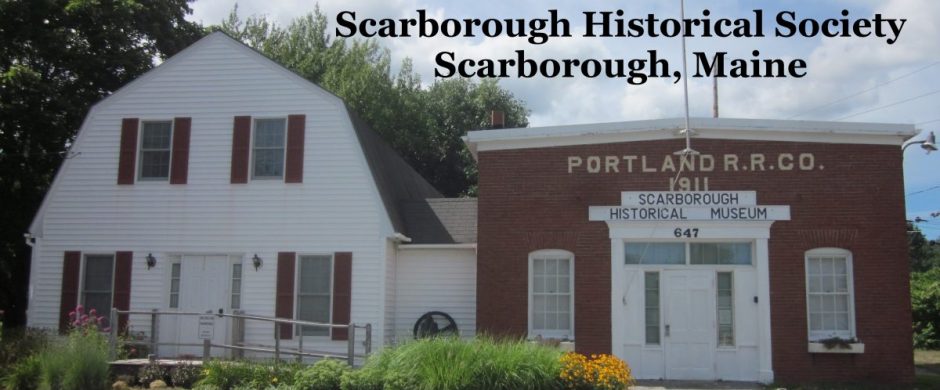
Today, Scarborough is one of the larger and fastest-growing communities in southern Maine, with approximately 20,000 residents. The town maintains a strong connection to its past through preserved historic structures, archaeological sites, and local institutions such as the Scarborough Historical Society, which collects, preserves, and interprets the town’s history.
Scarborough’s long history—from its Indigenous origins and early colonial settlement through periods of conflict, rebuilding, agricultural development, and modern growth—illustrates the resilience and adaptability of coastal Maine communities.
Learn More
Visitors interested in learning more about Scarborough’s history are encouraged to visit the Scarborough Historical Society Museum, located in the former Portland Railroad Company Substation, and explore the Society’s archives and exhibits.